Yanti-Enun
At Yanti-Enun Mediation, we believe in the power of peace making — the Ngarrindjeri meaning behind Yanti-Enun. Our aim is to create space for understanding, respect and resolution.Led by Shane Mohor, a proud Ngarrindjeri and Boandik man, Yanti-Enun helps individuals, organisations, and communities find clarity and connection through mediation and other alternative dispute resolution processes. Whether the conflict is personal, professional or cultural, Shane’s approach is grounded in empathy, listening and collaboration — empowering people to reach durable, self-determined outcomes.
About us
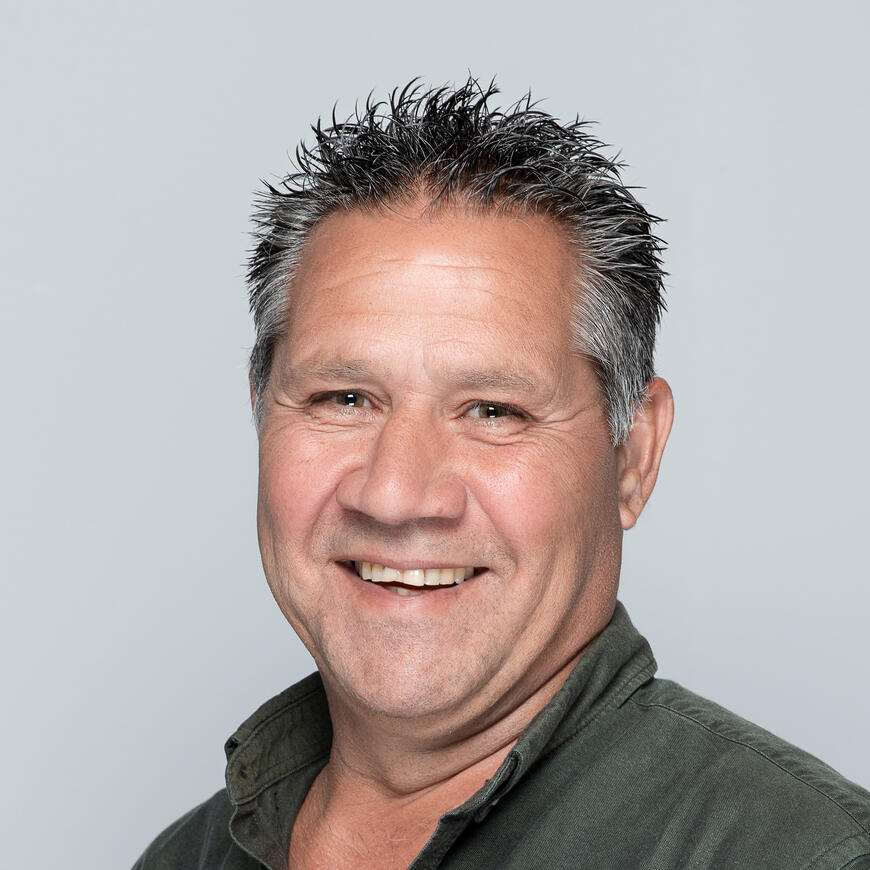
Yanti-Enun means Peace Making in Ngarrindjeri, and that principle guides everything Shane Mohor does.Shane is an empathetic, principles-based mediator and dispute resolution practitioner with over 30 years’ experience working across community-controlled, health and government sectors. His professional journey has always centred on supporting people — through complex challenges, differing views, and competing priorities.Drawing on his background in corporate, government and community organisations, Shane brings a unique ability to walk in multiple worlds. He understands the dynamics of both cultural and institutional settings, enabling him to assist parties in finding practical, respectful ways forward.A proud Ngarrindjeri and Boandik man, Shane brings deep cultural knowledge and understanding to his work, particularly when assisting Aboriginal and Torres Strait Islander peoples, families, and organisations. His approach avoids overly legalistic or adversarial methods, instead focusing on open communication, mutual understanding, and self-driven resolution.Shane is AMDRAS accredited, and a member of the Resolution Institute of Australia — credentials that reflect his commitment to high professional standards and ethical practice.
Our Services
Yanti-Enun provides professional mediation and dispute resolution services that focus on restoring respect, communication, and consensus. Services include:
Mediation – Facilitated processes for individuals, families, workplaces or communities to resolve disputes collaboratively and respectfully.
Conflict Coaching – One-on-one guidance to help people prepare for difficult conversations and navigate conflict with confidence.
Facilitation and Consultation – Independent facilitation for meetings, consultations, or community discussions requiring balanced and culturally sensitive leadership.
Culturally Responsive Dispute Resolution – Support for organisations and communities navigating cross-cultural issues or conflicts involving Aboriginal and Torres Strait Islander people.
Training and Capacity Building – Tailored workshops to strengthen communication, negotiation, and conflict resolution skills within teams or organisations.
Expectations
You have a right to expect certain things from your mediation. The mediator should be impartial, supportive, collaborative and pragmatic. You should expect to be heard, and to have space to consider different perspectives.There are also things that are expected of you:
Be prepared: If there are documents involved in the mediation, you should be across them. You should know what the issues are, and have considered your 'bottom line' as to what you would accept before you walk way.
Be open-minded and cooperative: Whilst you have a right to be heard, and to have others consider your perspective, this goes both ways. Come prepared to listen, and to be persuaded. You might not get the outcome you want, but the aim is to get an outcome that everyone can live with.
Be ready for emotions: Mediation can be emotional. You should think of what strategies you need in place to manage things if they do get emotional, and ensure that those things are in place before we start.
Be ready to make decisions: The purpose of mediation is to get to a resolution, which means being in a position to come to a binding agreement on the day if we are able to resolve things.
Remember that you are in control: No one in a mediation can force you to do anything, and if you aren't happy, you don't need to agree. It's okay to walk away, but you should always do your best to come to a resolution.
Ultimately, the goal is to reach a resolution that you can live with that is often faster, and less expensive than a Court battle, and over which you have a level of control.
How much will it cost?
Mediation fees vary by each mediator's experience, and the level of complexity of the matter. You can expect fees between $200-$400 (plus GST). Your matter may involve more than one mediator being engaged.A full day mediation can cost between $2,000-$3,500 (plus GST). We can sometimes offer fixed-fee packages for certain types of mediations (such as family or workplace disputes).Additional costs, such as travel, venue-hire or pre-mediation meetings may also apply.Please ask about our fees to get a more accurate quote.